
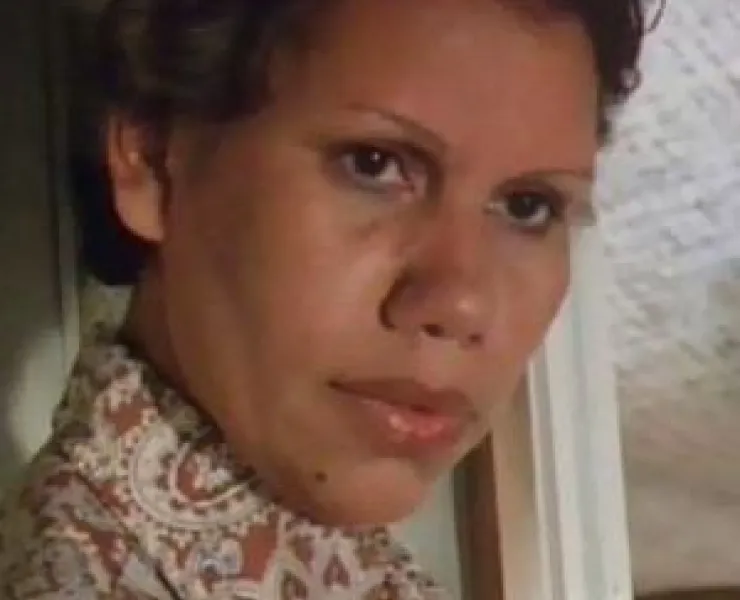
Aboriginal and Torres Strait Islander readers are advised this vale contains the name and image of a person who has died.
Eva Johnson's impact on Australian theatre was profound. Her plays, including Tjindarella, Murras, Mimini's Voices and What Do They Call Me?, challenged audiences to engage with the realities of Aboriginal experience while celebrating the enduring power of culture and community. Her landmark one-woman work What Do They Call Me? explored the intergenerational impact of child removal policies through the perspectives of a mother and her daughters, bringing personal and national histories into powerful conversation. Her work travelled nationally and internationally, inspiring audiences from Adelaide to Sydney, and Hiroshima to Barcelona.
In 1985 Eva directed the first Aboriginal Women's Arts Festival in Adelaide. The festival remains a significant milestone in Australia's cultural history. She also played a pivotal role in the first National Black Playwrights Conference in Canberra in 1987, helping to strengthen the foundations of a national First Nations theatre movement and supporting pathways for future generations of playwrights and performers.
Eva shared a longstanding connection with the former Australia Council, now Creative Australia. In 1993 she became the inaugural recipient of the Red Ochre Award, the organisation's highest honour for an outstanding Aboriginal or Torres Strait Islander artist who has made a significant contribution to arts and culture. The award recognised not only her achievements as a playwright, but also her leadership in advancing First Nations artistic expression and cultural visibility.
What made Eva's contribution so significant was her determination to ensure Aboriginal women could see themselves reflected on Australian stages. At a time when First Nations stories, and particularly the stories of women, were rarely centred within mainstream theatre, Eva opened doors. Her influence can be seen in the generations of First Nations playwrights, performers, directors and cultural leaders who have followed, many of whom continue to draw inspiration from the paths she helped create. Such is the significance of her contribution to this industry, her work is included as part of education curriculums in Queensland and Victoria in the subject teaching area of English and Writing.
Franchesca Cubillo, Executive Director, First Nations Arts and Culture said:
"Eva Johnson’s work expanded cultural understanding and created space for First Nations women to tell their own stories. She brought courage and generosity to her artistic practice, transforming personal experience into powerful works that continue to resonate and help shape the story of contemporary First Nations arts.”
We extend our heartfelt condolences to Eva’s family, her friends, collaborators and the many communities whose lives were touched by her work.
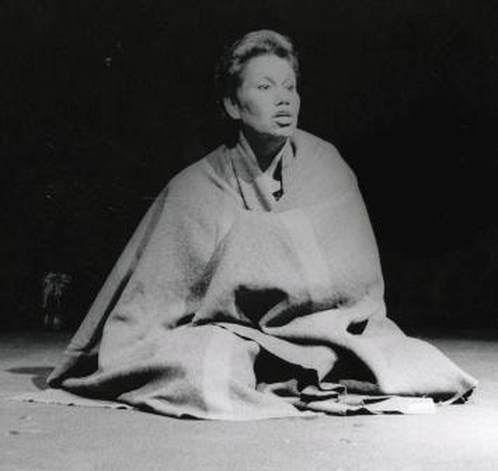
Vale Eva Knowles Johnson
1946 – 2026

